
Is Panthenyl Triacetate the Secret to Long-Lasting Skin Moisture?
What Exactly Is Panthenyl Triacetate?
At its core, Panthenyl Triacetateis a derivative of vitamin B5, a nutrient long celebrated for its skin-nourishing properties. But what sets it apart from regular panthenol (dexpanthenol) is its chemical makeup: while panthenol is soluble in water and alcohol, PTA is Oil-soluble (lipophilic) .This key difference isn’t just a technical detail—it’s the reason behind PTA’s superior performance.
To put it simply, oil-soluble ingredients can penetrate deeper into the skin’s layers, bypassing the outer barrier (stratum corneum) that often traps water-soluble ingredients on the surface. Once absorbed, PTA undergoes a natural process called de-acetylation, where skin enzymes break it down into active panthenol—the form that delivers all the hydrating, soothing benefits we associate with vitamin B5 .
PTA’s stability is another major advantage. Unlike some skincare ingredients that break down easily when exposed to light, heat, or water (a process called hydrolysis), PTA remains stable in both water-based and oil-based formulations . This means it retains its effectiveness from the moment the product is manufactured until it’s applied to your skin—no more compromised ingredients that fail to deliver on their promises.
Key Benefits: Why PTA Outperforms Other Moisturizers
- Long-Lasting Hydration That Penetrates Deep
The biggest draw of PTA is its ability to provide sustained moisture. Its lipophilic nature allows it to reach the deeper layers of the dermis, where it forms a “nutrient depot” that slowly releases panthenol over time . This means your skin stays hydrated not just for hours, but throughout the day—even in dry climates, air-conditioned offices, or after washing your face. Regular panthenol, by contrast, tends to dissipate more quickly because it can’t penetrate as deeply.
- Soothing and Anti-Inflammatory Effects
Dry skin is often irritated skin, and PTA addresses both issues at once. Research shows that PTA has powerful soothing properties, making it ideal for reactive, sensitive, or post-irritation skin. It works by calming inflammation and reducing redness, thanks to its ability to support the skin’s natural barrier function. A 2012 study published in the Journal of the Society of Cosmetic Chemists found that PTA not only soothes irritated skin but also accelerates wound healing—proving its ability to repair and protect damaged skin .
- Boosts Skin Regeneration and Metabolism
PTA does more than just hydrate—it actively supports skin health from the inside out. Vitamin B5 is a key component of coenzyme A, a molecule that plays a critical role in producing ATP. By boosting metabolic processes in dermal cells, PTA helps accelerate skin regeneration, promoting healthier, more resilient skin over time. This makes it particularly beneficial for mature skin, which naturally has slower cell turnover, or skin recovering from breakouts, cuts, or environmental damage .
- Safe and Compatible for All Skin Types
Safety is a top priority in skincare, and PTA checks all the boxes. The Cosmetic Ingredient Review Expert Panel—an independent group of scientists that evaluates the safety of cosmetic ingredients—reviewed PTA in 2022 and deemed it safe for use in concentrations ranging from 0.003% to 2.0% . It’s non-irritating, non-sensitizing, and compatible with almost all other common skincare actives, including vitamin C, retinol, and hyaluronic acid . Even those with sensitive or baby skin can use products containing PTA, as its mild action makes it suitable for gentle formulations.
Applications in Cosmetics
- Facial Skincare
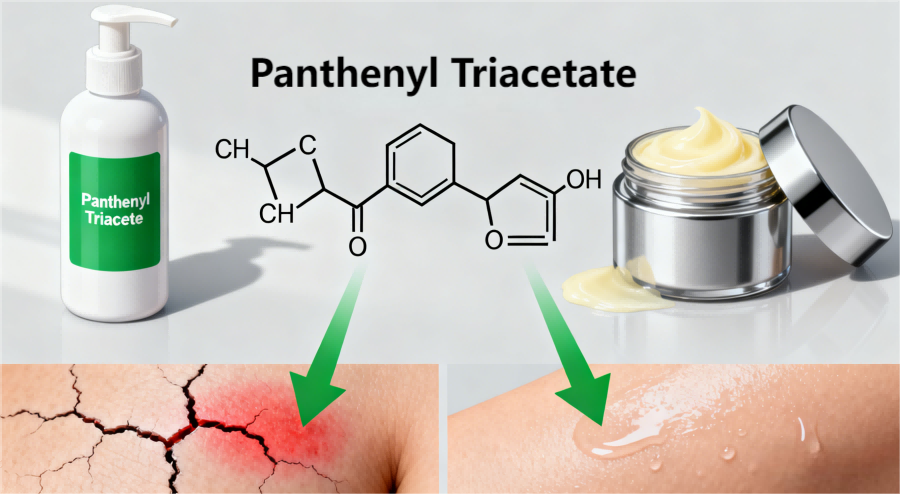
PTA shines in facial moisturizers, serums, and creams, especially those designed for dry, sensitive, or mature skin. Its slow-release hydration makes it perfect for night creams and day creams that need to last through busy schedules. High-end brands often include PTA in anti-aging formulations, as its ability to boost skin metabolism supports collagen production and reduces the appearance of fine lines caused by dryness.
- Body Care and Baby Products
Because of its mild, non-irritating nature, PTA is a popular ingredient in body lotions, oils, and baby care products. Baby lotions and diaper creams often use PTA to soothe delicate skin and prevent dryness, while body oils leverage its oil-soluble properties to deeply nourish rough areas like elbows, knees, and heels.
- Sun Care
Sun exposure can dry out and irritate skin, which is why PTA is a smart addition to sunscreens and after-sun products. Its stability in UV-exposed formulations ensures it doesn’t break down under sunlight, while its soothing properties help calm sun-induced redness and dryness . Many high-end sunscreens now pair PTA with SPF to offer both protection and hydration in one step.
- Hair Care
PTA isn’t just for skin—its conditioning and anti-static properties make it a valuable ingredient in hair care products . It’s often found in shampoos, conditioners, hair oils, and serums, where it helps hydrate dry, frizzy hair, reduce static, and improve manageability. By penetrating the hair shaft, PTA nourishes hair from the inside out, leaving it soft, shiny, and less prone to breakage.
- Lip Care
Chapped lips are a common woe, and PTA’s long-lasting hydration makes it ideal for lip balms, lipsticks, and lip oils. Its oil-soluble formula adheres well to the lips, forming a protective barrier that locks in moisture and prevents dryness—even in cold or windy conditions.
Why PTA Is the Future of Long-Lasting Hydration
In a market saturated with moisturizing ingredients, PTA stands out for its ability to deliver sustained, deep hydration without compromising on safety or versatility. Unlike hyaluronic acid, which can draw moisture from the air, PTA’s slow-release system ensures it provides consistent hydration regardless of environmental conditions. Unlike petrolatum, which forms a barrier on the skin’s surface, PTA penetrates deeply to nourish skin from within, promoting long-term health rather than just temporary relief.
For skincare brands, PTA’s stability means it can be used in a wide range of formulations, from lightweight serums to rich creams, without losing effectiveness. For consumers, it offers a solution to the frustration of midday dryness, sensitive skin irritation, and short-lived moisturizer benefits.
Final Thoughts
Panthenyl Triacetate may not be as well-known as hyaluronic acid or retinol, but its unique combination of deep penetration, slow-release hydration, and soothing properties makes it a secret weapon for long-lasting skin moisture. Backed by scientific research and approved for safe use, it’s an ingredient that delivers on its promises—for all skin types and all occasions.
From facial moisturizers to baby care and sun protection, PTA is quietly transforming the way we hydrate our skin. So the next time you’re shopping for a product that offers more than just temporary relief, check the ingredient list for Panthenyl Triacetate—your skin will thank you for the all-day hydration and long-term nourishment.
| Name: Yuki sales02@nahanutri.com WhatsApp:+8618066950297 | Yuki | Cosmetic Ingredients Sales Specialist Proficient in the properties, efficacy and compliance of various cosmetic raw materials, I excel at understanding client needs to deliver tailored supply solutions. Committed to supporting beauty brands and manufacturers in product innovation and efficient implementation. |